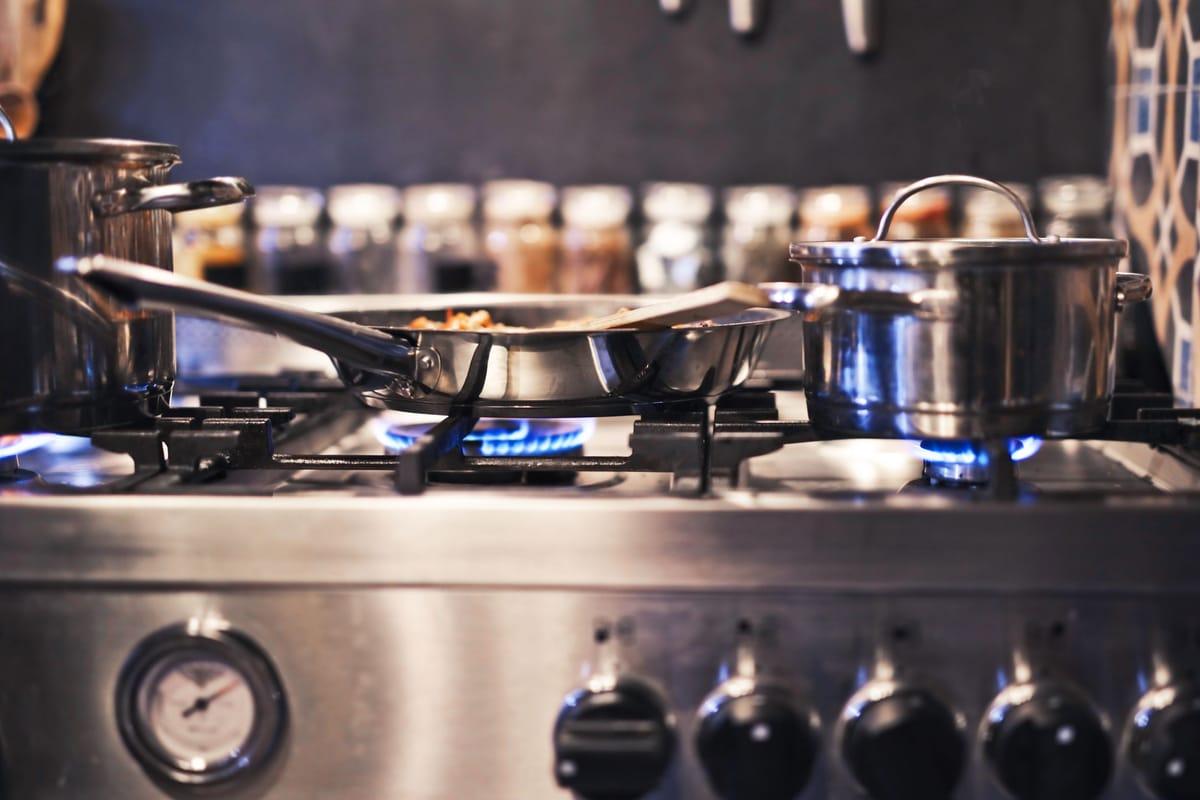
The reader is usually replacing a scratched nonstick pan and has discovered that the alternatives are a wall of competing claims. The site covers stainless steel, cast iron, carbon steel, ceramic, glass and enameled cast iron for cookware, and extends into the rest of the kitchen — bakeware, storage, utensils and water contact — because the same questions recur everywhere a material touches food.
The core difficulty is linguistic. The phrase on the label carries no legal definition, so it is applied to genuinely inert materials and to coatings whose composition is simply undisclosed, with nothing distinguishing the two. The most common searches in the category are about material rather than brand, which is the right instinct, but material names are themselves marketed loosely — ceramic covers both solid ceramic and a sol-gel coating over metal, and those age completely differently. Every piece starts from what something is made of and what is known about that material, with claims attributed to whoever is making them.
Selena Hann publishes the site and Amazon commissions fund it — said on the page, not tucked into a footer. A commission never changes a ranking, no brand pays for placement, and no brand sees a page before it is published. It does not run a lab and has not cooked on these products; it reads published material compositions and third-party certifications and shows both. Every safety claim is sorted into one of three labels: third-party certified to a named standard, a manufacturer claim with no certification published, or independently tested by a named party. That distinction is the whole category, which is why Juniper Reviews runs it.