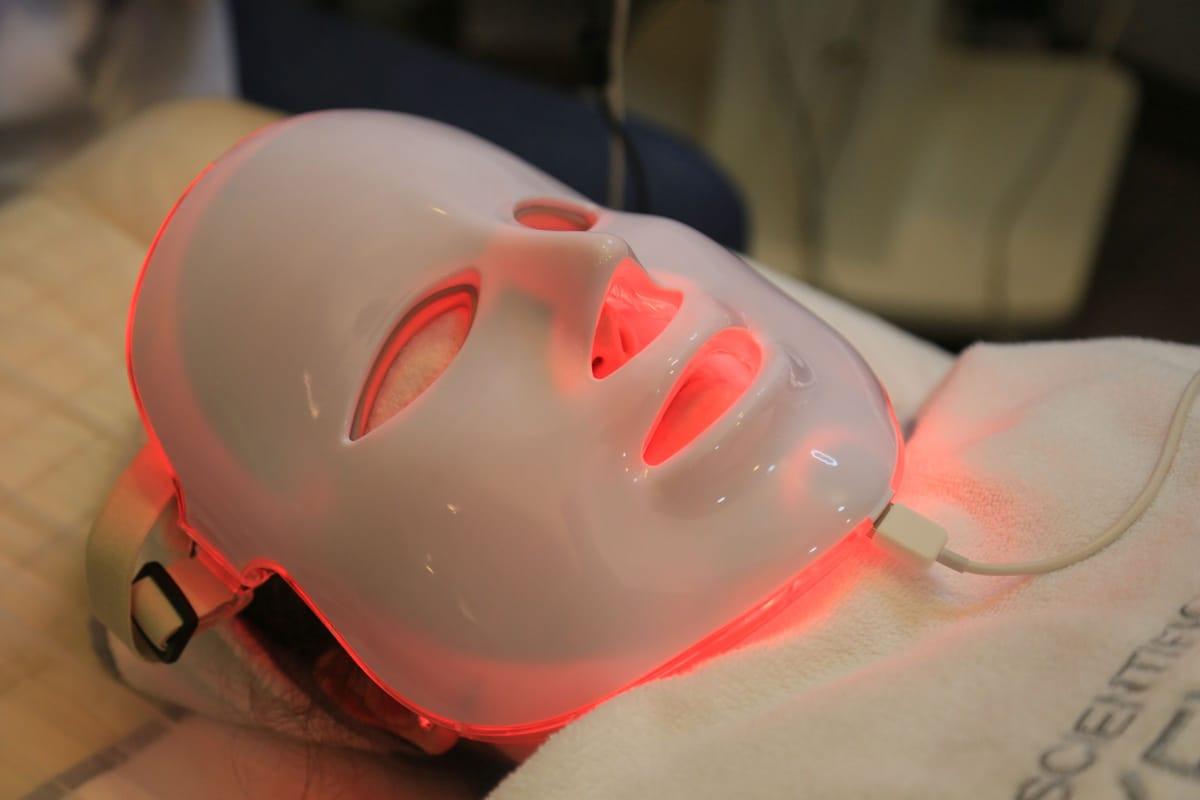
Readers arrive already suspicious, and the search data shows it — people look for devices that actually work far more often than they look for the newest launch. The site is written for that reader: someone weighing a three-figure microcurrent unit, an LED mask or a radiofrequency tool against a cheaper routine, who wants to know what the evidence supports before the box arrives rather than after the return window closes.
What makes this category genuinely hard is that the regulatory language and the advertising language do not match. A device can be lawfully sold while the mechanism it advertises is supported by one small manufacturer-funded study, and the gap between cleared for sale and shown to work is invisible on a product page. Consumables make it harder still: conductive gels, replacement heads and app subscriptions turn a one-time purchase into a running cost that rarely appears in the headline price. Every write-up names the ongoing cost alongside the sticker price.
Selena Hann is the publisher. The site states plainly that it does not test devices, owns no lab or integrating sphere, and has never been sent a device by a brand — which is why it never claims to have used one. What it does instead is read published wavelengths against FDA clearance records, locating the 510(k) number behind a claim where one exists and saying so where it does not. Amazon commissions fund it, no brand pays for placement, and that split between what is documented and what is marketed is why Juniper Reviews runs it.